
News and articles
-
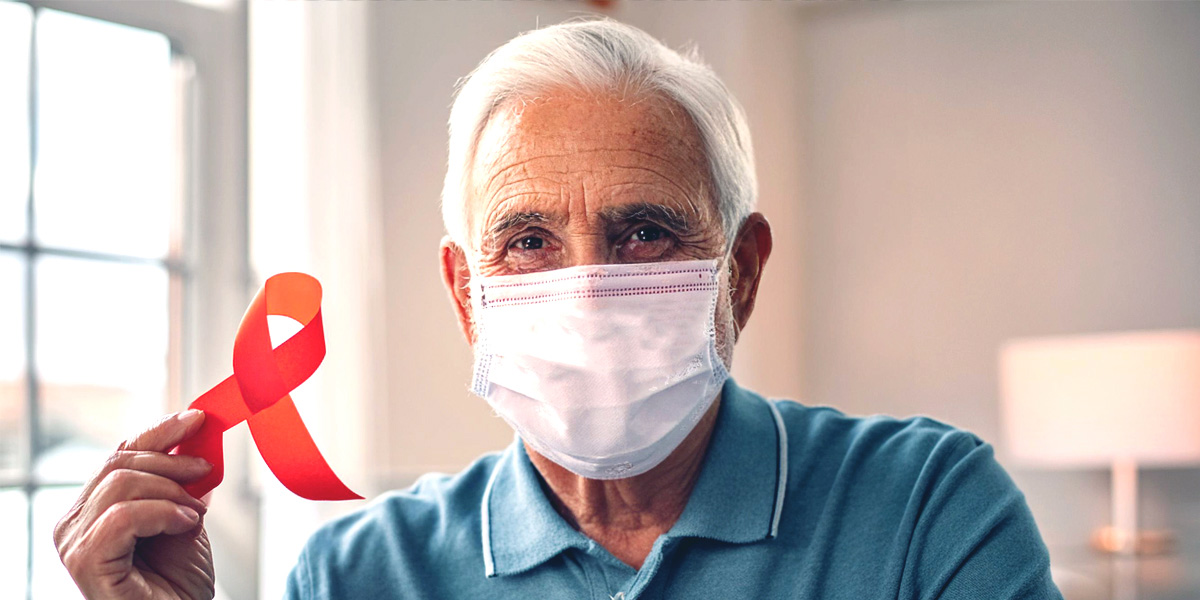
Can we prevent the risk of oral cancer?
As we saw in a previous article, oral and oropharyngeal cancer is one of the 10 most common cancers in the world, and tumours of the oral cavity account for around 4% of all malignant tumours. But what are the main risk factors for the development of this type of pathology, and how…
-
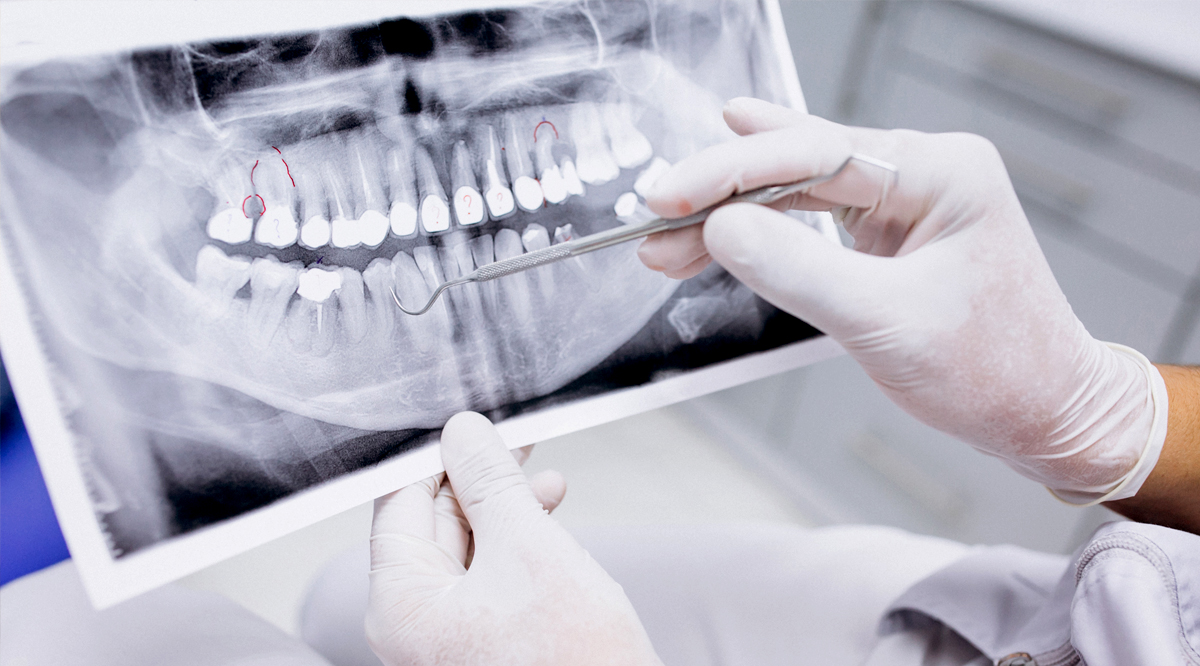
Osteoporosis: the silent enemy of our teeth
Osteoporosis is characterised by the deterioration of bone tissue structure, leading to increased fragility and a higher risk of fractures, and it also affects the teeth. Continue Reading Osteoporosis: the silent enemy of our teeth
-

Is there a link between oral and kidney health?
Numerous pieces of evidence establish the bidirectional relationship between oral health and kidney health, which is why prevention and hygiene measures are extremely important. Continue Reading Is there a link between oral and kidney health?
-

Oral candidiasis: prevention, detection and treatment
Although oral candidiasis is a common infection, it can cause discomfort and distress, significantly affecting well-being and quality of life. It is therefore essential to take preventive measures and treat it to avoid possible recurrence. Continue Reading Oral candidiasis: prevention, detection and treatment
-

Lura Care makes its presence known at ExCel London Care Show
29/04/2024 On 24 and 25 April, the Lura Care team had the pleasure of participating in the first Care Show in London, a two-day conference and exhibition boasting the most invaluable learning, networking, and thought-provoking opportunities for those working in the adult social care sector. Over two intense days, we shared experiences and…
-

Gingival recession: when the gums recede
Gingival recession is a common, gradual condition associated with ageing, which can cause problems for those affected, such as tooth sensitivity or root toothe decay, and the effectiveness of its treatment depends directly on an accurate diagnosis of the underlying causes. Continue Reading Gingival recession: when the gums recede
-
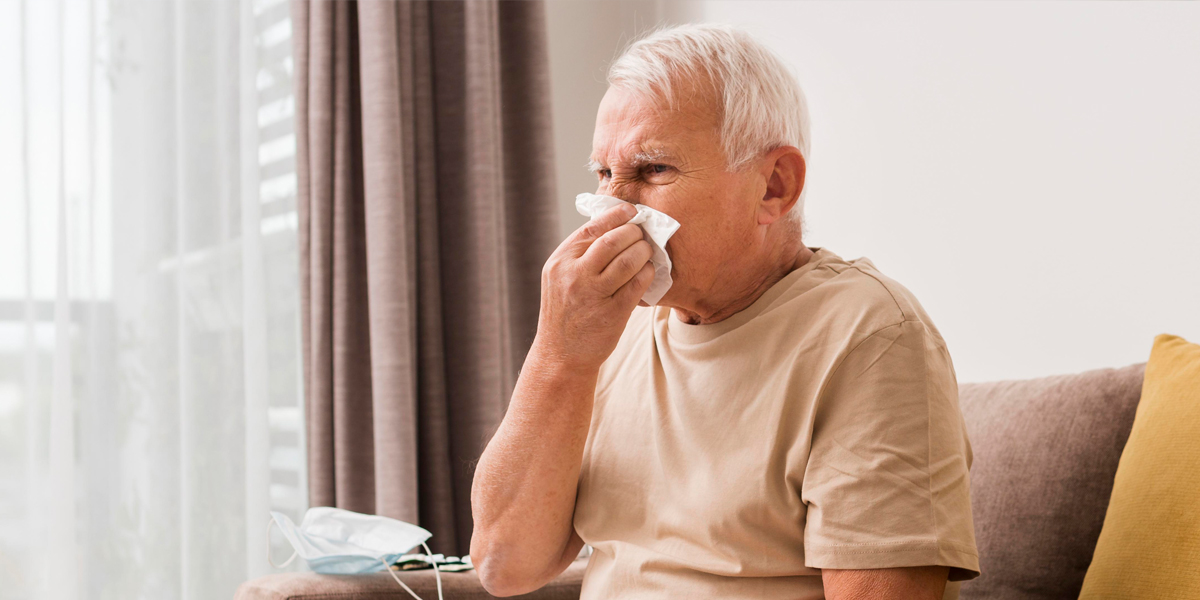
How does the arrival of spring affect our oral health?
Although the arrival of spring generally has positive connotations for most people, for others it can mean the onset of health, well-being and mood disorders. This is even more so in the case of the elderly, who often suffer from other pathologies that can be affected by these symptoms. Continue Reading How does…
-

World Oral Health Day: much to celebrate, more to do
As is every 20th of March, today is World Oral Health Day, promoted by the World Dental Federation (WDF) to raise awareness of the importance of oral health. As oral diseases can have an impact on people’s general health, well-being and quality of life, every year thousands of organisations, associations and companies around…
-
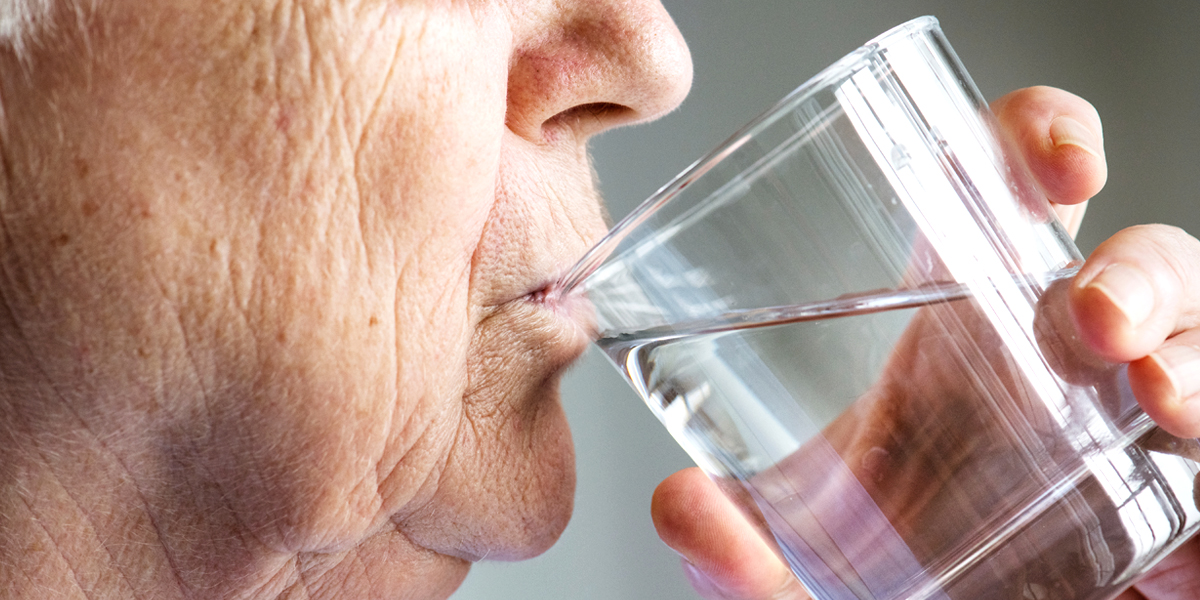
Xerostomia: more than just a dry mouth
Xerostomia affects between 20 and 30% of the population, although its prevalence increases after the age of 50, especially among women and patients taking multiple medications. Lack of lubrication can contribute to the development of other significant disorders, so it is essential to take preventive measures. Continue Reading Xerostomia: more than just a…
-
Oral cancer: types and prevalence
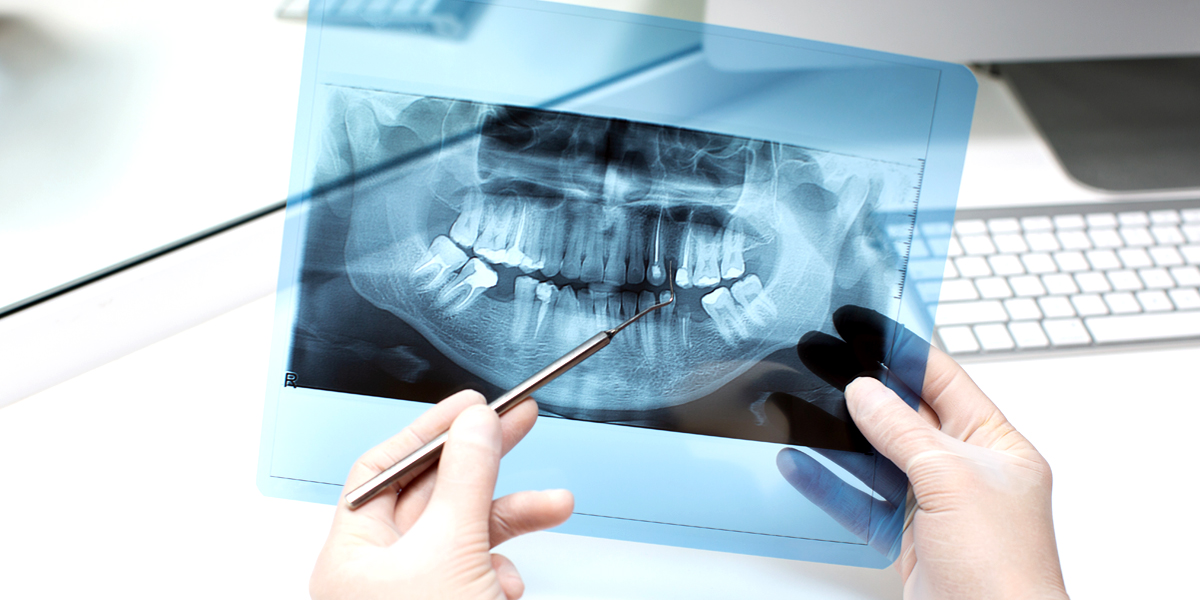
Oral cancer is among the 10 most common cancers worldwide, and tumours of the oral cavity account for around 4% of all malignant tumours. One of the greatest risks is not detecting it, especially among older people, because it can be confused with other oral disorders. For this reason, oral health control and…
-

Dysphagia: when swallowing becomes a serious problem
Dysphagia is a disorder characterised by difficulty or impossibility in swallowing, the prevalence of which increases with age. In addition to serious nutritional and respiratory problems, dysphagia can lead to a serious deterioration in the quality of life of affected older people, both socially and emotionally. As we get older, developing healthy habits…
-

How does oral health affect the treatment of hypertension?
There is growing evidence of the close link between oral health and our general health. For this reason, prevention and control measures are essential, particularly for older people. Continue Reading How does oral health affect the treatment of hypertension?