Articles

  • Loneliness and oral health: a link we cannot ignore

    Loneliness and oral health: a link we cannot ignore

    We often hear that mood and social relationships influence people’s health and well-being. There is ample evidence that adequate social interaction has a positive impact on our health, whilst loneliness and social isolation can have a negative effect.

    Studies suggest that people who feel lonely are at greater risk of developing or seeing a worsening of health conditions such as heart diseases and hypertension, and even of developing Alzheimer’s disease. Consequently, this leads to an increased risk of death amongst older people.

    The main reason is that these situations contribute to changes in the tendency of immune system cells to promote inflammation. Whilst this inflammation is necessary for recovery from injuries, it can increase the risk of developing chronic diseases if it persists for too long.

    As we saw in a previous article, conditions such as gingivitis, which involves inflammation of the gums and is considered the initial stage of periodontitis or periodontal disease, can play a decisive role in the development of Alzheimer’s disease.

    Furthermore, oral health conditions have a bidirectional relationship with many other conditions that affect the health and quality of life of older people, such as hypertension, kidney disease, diabetes or even glaucoma.

    It is also important to bear in mind the importance of adequate rest, not only for health but also for one’s state of mind. Oral disorders and poorly fitting or poorly maintained dentures can interfere with this rest, and a lack of sleep can lead to daytime drowsiness, increased stress levels and mood disturbances.

    As we have seen, the link between oral health and general health is well established. However, what is often less well known is the enormous impact that oral health has on the mood, health and quality of life of people affected by oral health problems, and this is particularly significant amongst older people.

    One of the most notable pieces of research in this regard is the study carried out by professionals at NYU Rory Meyers College of Nursing, which highlights the effects of loneliness and social isolation in relation to the number of remaining teeth or tooth loss. The study’s findings indicate that loneliness and social isolation are associated with a lower number of remaining teeth and accelerated tooth loss amongst older adults.

    At Lura Care, after more than ten years of caring for older people and people with disabilities, our clinical experience allows us to state categorically that oral health conditions have a significant impact on older people’s ability to eat and socialise, particularly amongst those living in care homes due to their level of dependency or mobility issues.

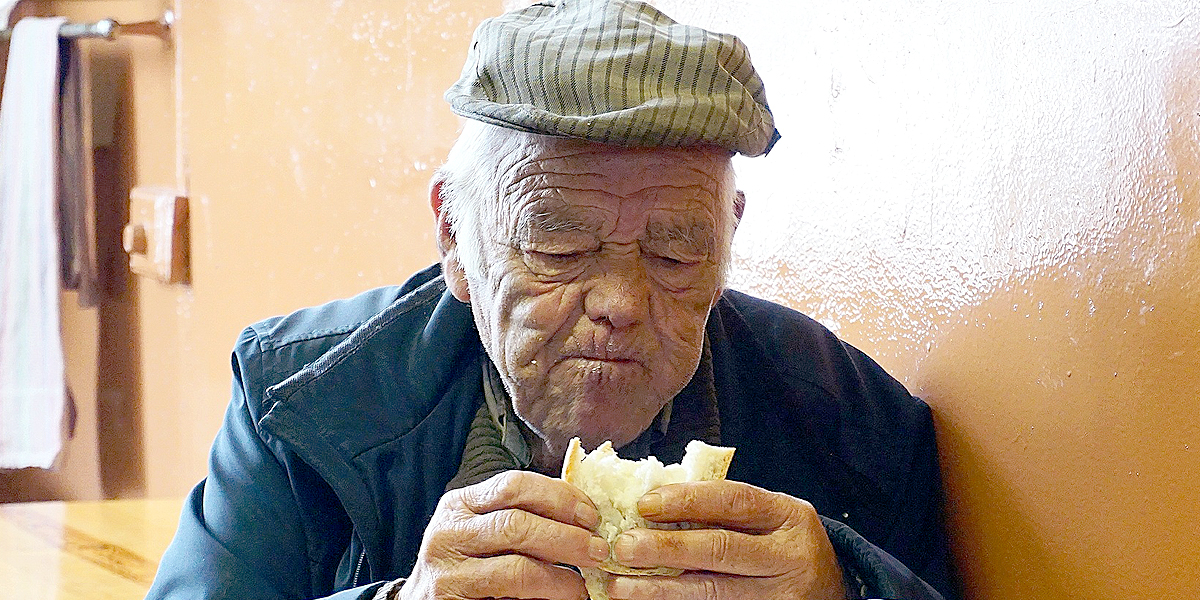
    These conditions limit their personal independence and have a decisive influence on their self-esteem and state of mind. Being able to eat normally, speak without difficulty or smile without feeling self-conscious are fundamental to maintaining emotional wellbeing and self-esteem; therefore, failing to address these difficulties can lead to social withdrawal, loneliness and cognitive decline.

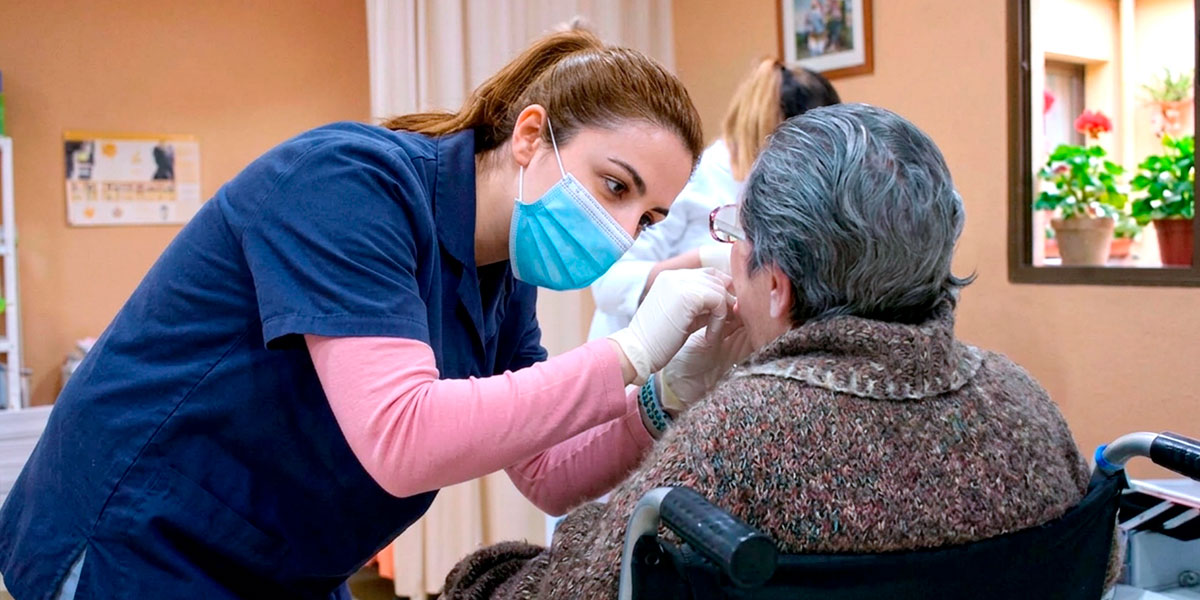
    However, situations of dependency and mobility issues pose a huge obstacle for many people who are unable to travel to a dental surgery. That is why, at Lura Care, we work every day to bring our home-based dental care services to our patients’ place of residence, whether that be a care home, a day centre or a private home.

    We firmly believe that dentistry tailored to the physical, mental and emotional capabilities of older and dependent people plays a vital role, and that it requires both specialised technical knowledge and particular sensitivity in order to address the vast unmet needs of the most vulnerable members of society. Because home-based dental care is not a luxury; it is a genuine social need.
  • Oral health: key to the well-being of our elderly

    Oral health: key to the well-being of our elderly

    As we explained in another article,  oral health is a major common public health challenge across Europe, and projections suggest that it will become an increasingly significant problem due to an ageing population and greater life expectancy.

    It is also worth bearing in mind that the mouth is not an isolated organ: it is the entry point for what we eat, what we breathe in, and also for many of the bacteria that can compromise our health and negatively affect our wellbeing and quality of life.

    Root tooth decay is particularly prevalent amongst older people because it develops on the surface of the tooth root, which becomes exposed following years of gingival recession. Its incidence amongst people over the age of 60 can be as much as double that of middle-aged groups, and its prevention requires rigorous oral hygiene through regular tooth brushing with toothpastes containing high concentrations of fluoride.

    Periodontitis is a chronic infection and inflammation of the tissues supporting the teeth, and the leading cause of tooth loss in older adults. But its impact is not confined to the mouth: it is a source of chronic systemic inflammation and has been linked to poorer glycaemic control in people with diabetes, an increased risk of cardiovascular disease and, increasingly, to the development and progression of dementia.

    Xerostomia, or dry mouth, affects many older people. Its main cause is polypharmacy, which leads to a reduction in salivary flow, thereby removing the natural protection that saliva provides for the teeth and mucous membranes. Clinical consequences include tooth decay, oral candidiasis, dysphagia and taste disturbances.

    Edentulism, or the total or partial loss of teeth, severely limits chewing and forces people to adopt soft diets that are often nutritionally poor. It requires well-fitting dentures, regular check-ups to prevent ulcers, and specific oral hygiene practices that many older people are unable to carry out without assistance.

    One of the most significant findings of recent clinical research is the confirmation of the oral-systemic link; that is, oral health and general health influence one another in both directions.

    In the case of diabetes mellitus, the relationship is well established: poorly controlled diabetes triples the risk of severe periodontitis, but conversely, periodontal infection also hinders blood sugar control by raising HbA1c levels. Most importantly, periodontal treatment can have an effect comparable to that of adding a second hypoglycaemic drug.

    As regards hypertension and cardiovascular disease, periodontitis raises systemic inflammatory markers such as C-reactive protein and is associated with an increased risk of heart attack, stroke and atherosclerosis. The mechanism is clear: oral bacteria cause systemic inflammation, which in turn leads to vascular damage.

    Aspiration pneumonia is one of the most serious risks for dependent or institutionalised individuals. A mouth with a high bacterial load acts as a reservoir for pathogens which, in the event of dysphagia or silent aspiration, pass directly into the lungs. The evidence for prevention is robust: rigorous oral hygiene protocols in care homes drastically reduce pneumonia rates.

    And we cannot fail to mention Alzheimer’s disease and cognitive decline. Observational studies establish a link between gingivitis and periodontitis and greater cognitive decline and an increased risk of dementia. The causal relationship requires further research, but the conclusion is clear: looking after your mouth is always beneficial, including for the brain.

    The convergence of three factors increases oral vulnerability in older people: physiological ageing, chronic systemic diseases and polypharmacy. Each of these factors, on its own, already affects oral health, but all three together constitute what the clinical literature refers to as a risk triad.

    When we support older people in their day-to-day lives, we see first-hand how oral health problems affect four critical aspects of well-being that are rarely associated with oral health and its disorders.

    The first of these links is nutrition and frailty, as poor chewing ability leads to people avoiding fruit, vegetables, meat and other protein-rich foods. The result is an increased risk of protein malnutrition and sarcopenia, that is, the progressive loss of muscle mass.

    The second aspect affects communication and social interaction, as impaired speech and compromised dental aesthetics cause embarrassment when speaking or smiling. Many older people with oral health problems become socially withdrawn, and this isolation has direct consequences for their emotional well-being.

    Self-esteem and mental health are also worth noting. Various studies have identified a direct link between poor oral health and symptoms of anxiety, as well as an increased susceptibility to depression. A negative self-image, linked to tooth loss, fuels feelings of accelerated ageing.

    Finally, there is an aspect relating to chronic pain and sleep. Chronic orofacial pain and dental hypersensitivity disrupt and affect night-time rest, leading to daytime fatigue, irritability and a general decline in functioning that impacts all aspects of life.

    At Lura Care, we have been working for over a decade to break down one of the most invisible barriers: the one that prevents people who are dependent on care, have reduced mobility or are otherwise vulnerable from accessing high-quality dental care.

    To this end, we have developed a model of home-based oral health services, through which we bring care directly to our patients’ homes. We have approved mobile equipment, staff specialised in caring for vulnerable people, and care protocols tailored to their specific needs.

    We carry out free initial assessments in care homes and day centres, following which we provide a no-obligation assessment report with personalised treatment recommendations tailored to the patient’s condition and needs.

    Wherever possible, we provide home-based treatment to avoid the need for travel, but we also offer an adapted transport and accompaniment service when referral to our network of partner clinics is required.

    The oral health of older people and people with disabilities is what drives us, so if you would like us to carry out a check-up on your residents or service users, or if any of them require dental care, please contact us and we’ll be delighted to help.

  • Oral health, key to a proper rest

    Oral health, key to a proper rest

    One of the key aspects that influences our health is enjoying quality rest, mainly through sufficient hours of sleep. Sleep is when our body performs certain regenerative functions, which allow for the proper maintenance of different systems and the body in general.

    These functions include muscle relaxation and strengthening of the immune system, aspects that directly affect people’s overall health. But what happens when we don’t get enough rest? What factors can negatively affect our sleep? And how is rest related to our oral health?

    Some of the immediate consequences of sleep deprivation in our daily lives are daytime sleepiness, increased stress levels and mood swings. These factors can have a huge impact on the quality of life of people who suffer from this deficiency on a regular basis.

    There are various disorders and external factors that can cause inadequate rest. One of these disorders is bruxism, which, although not exclusive to periods of sleep, usually occurs regularly during night-time rest.

    It is a disorder classified as a parasomnia, i.e. behaviours that we perform during sleep, without significant interruptions or alterations in daytime alertness. The symptoms of bruxism are completely unconscious clenching and grinding of the teeth, releasing accumulated stress, and it is therefore directly related to high stress levels.

    The most common consequences of bruxism are tooth wear and damage, as the teeth are subjected to high mechanical pressure. However, the pressure exerted can also affect the gums and jaw muscles, promoting the development of gum inflammation and muscle stiffness, which can lead to insomnia, headaches and even earaches.

    Sleep apnoea, an obstruction of the airways that hinders or prevents normal airflow to the lungs, is another disorder that affects sleep. It is often caused by poor jaw positioning and becomes more prevalent as we age. This leads to snoring and gasping for breath, which can cause the affected person to wake up repeatedly and be unable to get enough rest, even without being aware of it.

    Periodontitis or gum disease, whose prevalence increases with age, is another determining factor in rest. Infection and inflammation of the gums often cause intense pain, making it difficult to fall asleep or stay asleep for long periods of time.

    In turn, the lack of rest caused by these discomforts can lead to a decrease in the immune response, which hinders the body’s ability to fight the causative pathogens and can promote their chronicity.

    Several studies have established a link between gingivitis or periodontitis and Alzheimer’s disease, as high levels of antibodies against periodontal bacteria lead to an increase in the levels of inflammatory molecules in other parts of the body, which is associated with higher rates of cognitive decline.

    But in addition to these disorders, which can appear at various ages, older people sometimes suffer from sleep disturbances due to external factors. Among these, we can highlight the misalignment and poor condition of dentures.

    These situations are common among people institutionalised in residential centres and in cases of dependency, and usually lead to the appearance of painful gum lesions, preventing adequate rest in a similar way to what we mentioned in the case of periodontitis.

    As we have seen, the quality of rest is essential for enjoying good health, and oral health can have a decisive impact on our sleep. For this reason, if there is any oral disorder that affects rest, we should consult our dentist so that they can assess the patient’s condition.

    In many cases, the correct approach to these disorders involves measures such as prescribing bite splints in cases of bruxism, various non-invasive devices to treat sleep apnoea, or the correction of jaw malocclusions through orthodontics, maxillary orthopaedics, and even surgical treatment.

    It is also important to monitor cases of periodontitis. In these cases, scaling and root planing (SRP) is the technique used to remove tartar, bacterial plaque and pigmentation, as well as other organic deposits found on the tooth surface. This scaling is performed both supragingivally, on the tooth and above the gums, and subgingivally, on the tooth and inside the gums.

    And, of course, it is essential to develop and maintain oral hygiene habits, especially before going to bed, as saliva production decreases during the night and our mouth is more exposed to bacterial activity.

    Because optimal oral health is a guarantee that we can enjoy restful sleep and, with it, good overall health and quality of life.

  • Dental prostheses: a preventive measure against cognitive decline?

    Dental prostheses: a preventive measure against cognitive decline?

    As we have explained in other articles, the use of dental prostheses has important benefits. After an initial adaptation process and the development of appropriate cleaning and conservation habits, new dentures can restore or improve functions such as facilitating the correct mastication of food or significantly improving speech.

    These improvements undoubtedly have a positive impact on the quality of life and mood of edentulous people. But is it possible that the benefits of dentures go beyond these functional aspects?

    Over the last few years, several studies have been published with results that point in this direction of proving that the use of dental prostheses could play an important role in the prevention of cognitive impairment.

    The relationship between edentulism or tooth loss and psychophysical deterioration has already been studied by a group of researchers from University College London, based on a sample of more than 3,100 British adults over the age of 60.

    The results of their research, published in 2015 in the Journal of the American Geriatrics Society, found that the loss of teeth had a direct relationship to psychophysical deterioration, such as walking at a slower pace or a progressive decline in the person’s brain functions.

    In 2021, the results of a study conducted by a group of researchers from the NYU Rory Meyers College of Nursing were published in The Journal of Post-Acute and Long-Term Care Medicine (JAMDA). In their research, they concluded that tooth loss is a risk factor for cognitive decline, and that each missing tooth decreases brain function of the person.

    Specifically, the results showed that people with greater tooth loss have a 1.28 times greater risk of developing dementia and a 1.48 times greater risk of developing cognitive impairment. Among the reasons, the researchers found that missing teeth lead to greater difficulties in chewing, which leads to poor nutrition resulting in nutritional deficiencies in the body.

    The relationship between edentulism or tooth loss and psychophysical deterioration has already been studied by a group of researchers from University College London, based on a sample of more than 3,100 British adults over the age of 60.

    The results of their research, published in 2015 in the Journal of the American Geriatrics Society, found that the loss of teeth had a direct relationship to psychophysical deterioration, such as walking at a slower pace or a progressive decline in the person’s brain functions.

    In 2021, the results of a study conducted by a group of researchers from the NYU Rory Meyers College of Nursing were published in The Journal of Post-Acute and Long-Term Care Medicine (JAMDA). In their research, they concluded that tooth loss is a risk factor for cognitive decline, and that each missing tooth decreases brain function of the person.

    Specifically, the results showed that people with greater tooth loss have a 1.28 times greater risk of developing dementia and a 1.48 times greater risk of developing cognitive impairment. Among the reasons, the researchers found that missing teeth lead to greater difficulties in chewing, which leads to poor nutrition resulting in nutritional deficiencies in the body.

    Perhaps more surprising, is another finding of the study. The risk of cognitive decline was found to be lower among denture wearers, those who had been correcting their tooth decay, and those who had replaced missing teeth with dental implants.

    More recently, another study led by the same team of researchers and published in the journal Aging Medicine in 2024 corroborated these findings. To do this, they analysed data from the Chinese Longitudinal Survey on Healthy Longevity for the years 2008 to 2018 based on more than 27,000 adults over the age of 65 who had lost their teeth.

    The results of their research found that, compared to non-denture wearers, denture wearers maintained better cognitive function.

    The overall conclusion from all these findings is that, as with other pathologies, oral health has a direct relationship with cognitive decline and the development of dementias.

    On many occasions people with mobility problems, or who live with cognitive impairment or other types of dementia such as Alzheimer’s disease, are unable or have great difficulty in travelling to a dental clinic.

    That is why at Lura Care we have been working for more than 10 years specialising in home dentistry services. Our aim is to break down the mobility barrier in order to be able to attend to these people in their own place of residence, whether in a care home, day centre or in their private home.

    Our teams of dentists specialise in caring for vulnerable people by travelling to homes with all the approved equipment necessary for treatment. This includes the production of dental prostheses which, thanks to our innovative technology, reduces disruption in the care process.

    Through this new methodology, tested with resounding success in Spain where it is already a reality, we can not only avoid patient travel, but also shorten the process by performing a single prosthetic test.

    This is a key aspect in the case of people with mobility problems or cognitive impairment, and we will soon be introducing this advance in our other operating centres in the UK and Italy.

    In the past, a minimum of three prosthetic tests were required in order to finally deliver the dentures on a fourth visit, this was virtually impossible for many of them.

    If you would like more information about the home treatments we offer at Lura Care, please do not hesitate to contact us.

  • Is there a link between gingivitis and Alzheimer’s disease?

    Is there a link between gingivitis and Alzheimer’s disease?

    Alzheimer’s disease is a pathology that the World Health Organisation (WHO) considers to be the new epidemic of the 21st century: it is estimated that by 2050 the number of people affected by this disease will rise to around 140 million worldwide.

    And as we have seen in the case of other pathologies, proper oral health is an important preventive measure to contribute to people’s general health, and in particular to the development of this disease.

    Research carried out in recent years suggests that increased levels of antibodies to periodontal bacteria lead to an increase in the presence of inflammatory molecules in other parts of the body, which is related to higher rates of cognitive impairment in cases of Alzheimer’s disease.

    One of the papers that initiated this line of research is the study published in Science Advances by a group of Norwegian scientists from the Broegelmanns Research Laboratory of the Department of Clinical Science at the Universitetet i Bergen (UiB).

    The authors determined that gingivitis, which is inflammation of the gums and is considered to be the initial stage of periodontitis or periodontal disease, may play a decisive role in the development of the disease.

    Findings from DNA-based tests indicated that the bacteria Porphyromonas gingivalis, which causes gingivitis, can pass from the mouth to the brain. This bacterium produces a protein that destroys nerve cells, leading to memory loss and promoting the development of Alzheimer’s disease.

    Porphyromonas gingivalis bacteria are mainly found in cases of gingival and periodontal infections, although they can also be found at low levels in 25% of healthy individuals without oral disease.

    The transient bacteraemia it causes can occur during common activities such as brushing, flossing and chewing, as well as during dental procedures.

    This results in documented translocation to various tissues, such as the coronary arteries, placenta and liver. Scientific evidence also indicates that 100% of patients with cardiovascular disease had arterial colonisation by Porphyromonas gingivalis.

    The relevance of the finding is very significant, as it is estimated that 50% of the population is a carrier of this bacteria, and that around 10% will develop a severe form of the disease. There is also evidence that Porphyromonas gingivalis is associated with rheumatoid arthritis, oesophageal cancer and chronic obstructive pulmonary disease (COPD).

    While the authors state that the bacteria itself does not cause dementia, its presence does increase the risk of developing Alzheimer’s disease, and in turn accelerates its development.

    The researchers pointed out that this line of research allows for a new approach to Alzheimer‘s treatment, opening the door to the development of drugs that block the harmful enzymes secreted by the bacteria.

    Based on these findings, at Lura Care once again we want to remind the importance of maintaining proper hygiene and prevention habits such as regular brushing, flossing and regular rinsing with mouthwash. It is also essential to have regular check-ups with the dentist, especially for those who suffer from gingivitis or who have a history of Alzheimer’s disease in the family.

  • Lura Care: 10 years of social impact

    Lura Care: 10 years of social impact

    It seems like just yesterday we embarked on this journey rather than  10 years when we launched our home dentistry model from our humble first offices in Barcelona. Established in 2015, under the name Dental Residency, we had a vision of bringing oral health to the residence of all those who could not, or had great difficulty, in travelling to a dental clinic.

    This is why we launched an innovative model of mobile dental care services with which we began to provide services to care homes and day centres. An adapted service that allowed us to respond to the dental care needs of thousands of elderly people and people with functional diversity, who otherwise could not access the services they needed.

    Throughout the first few years we focused on consolidating our model in Spain, which led us to become the leading company in the sector with a presence in six regions of the country.

    Over time we realised that the groups we served had other unmet needs. Many of them suffered from hearing and visual impairments which, as with dental ailments, had a negative impact on their health, self-esteem, mood and ability to socialise.

    So it was in 2023 we decided to incorporate audiology and optical home care services, which we began to provide in Spain using the same home care model that we developed for our dental services.

    To meet this challenge, we took an important step forward by changing our brand to become Lura Care. With this new name we began a stage of growth, both in relation to our range of services, as well as the expansion we had in mind to be able to take us beyond the borders of Spain.

    In the same year, 2023, we started our international expansion plan with the opening of our first operational centre in Baranzate, Milan, from where we serve residents and users of residential and day care centres in the regions of Lombardy and Piedmont.

    Having established our activities in these two regions, our short-term plan is to open new centres in other Italian regions and to further expand our activities in the south of the country.

    After entering the Italian market, the next step was the start of our activities in the UK in 2024 with the opening of a dental hub in Hampton Hill, London, from where we serve the centres in London, the Southeast and parts of the East of England.

    Our future plans are to continue investing in the United Kingdom to open offices in other major cities such as Birmingham, Manchester and Newcastle from 2026.

    Today, Lura Care is a leading company in the field of home healthcare in Europe. Throughout these 10 intense years, we have cared for more than 120,000 elderly people and people with functional diversity through our dental, audiology and optical home care services.

    But this would not have been possible without the trust placed in us by the more than 1,000 residences and day centres with which we collaborate, and with which we share the commitment to look after the health and well-being of their residents and users.

    Our goal for the coming years is to continuously improve our services and operations in order to serve our patients and their families with the excellence and sensitivity they deserve.

    We will also focus on offering care in private homes, making healthcare services accessible to thousands of dependent people who, despite living in their own homes, face the same difficulties of mobility to travel to a health centre.

    We want to continue expanding our model to other countries such as Germany and France, with the aim that in 5 years we will be able to cover more than 2 million people, with 25 operational centres in five countries, and attend to more than 300,000 people each year and to carry out more than 70,000 treatments.

    The entire Lura Care team is committed to a common goal: to break the mobility barrier so that home healthcare services become a reality for all dependent people, wherever they are and whatever their condition.

    It has been 10 wonderful years of excitement, learning and boosting social impact. And now more than ever, we are convinced that the best is yet to come, and we are getting closer and closer to making home healthcare a reality throughout Europe.

  • Oral health: a major common challenge across Europe

    Oral health: a major common challenge across Europe

    Oral health has long been neglected on the global health agenda, and is emerging as one of the great challenges of the present and future for health systems worldwide. This is confirmed by the “Global oral health status report: towards universal health coverage for oral health by 2030” published by the World Health Organisation (WHO), which covers 53 countries in Europe and Central Asia.

    This ambitious study concludes that oral diseases are among the most common non-communicable diseases worldwide, affecting around 3.5 billion people. The study also warns that oral diseases, although largely preventable, are a major burden on global health. It also points out that they affect people throughout their lives, causing physical symptoms, functional limitations and detrimental effects on emotional, mental and social well-being.

    Figures show that the European Region is home to 466 million people affected by oral disorders, with more than half of all adults suffering from a major oral disease in 2019, the highest prevalence worldwide. In the period between 1990 and 2019, the number of cases of major oral diseases in this region grew by more than 42 million, an increase of 10%.

    In particular, the European Region had the highest prevalence of permanent tooth decay worldwide, affecting 33.6% of the population, which translates into almost 335 million cases in 2019. It also had the second highest proportion of cases of edentulism, with 25.2% or 88 million people aged 20 years and over.

    It is also worth noting the 16.1% increase in the prevalence of severe periodontal disease during this period. Given that periodontal disease peaks around the age of 55 and remains high into old age, the burden of disease associated with an ageing population is expected to increase.

    The report also details that nearly 70,000 new cases of oral cancer were reported, representing 18.5% of the global total, with more than 26,500 deaths attributable to this type of illness by 2020.

    There is no doubt that, in the light of the data, oral health is one of the major public health challenges across Europe. And with a rapidly ageing population and increasing longevity, we face a future where oral health needs will be much greater.

    The findings of the WHO report underline the critical need for comprehensive strategies to improve oral health among older adults in Europe, addressing both preventive measures and access to care.

    Key to this is securing sufficient staff and funding for oral health in ministries of health or other national health agencies, integrating it into strategies and initiatives on non-communicable diseases and universal health coverage.

    The WHO therefore considers it necessary to incorporate oral health services into primary health care at all levels. This will not be possible without developing new models that include both oral health professionals and other primary care workers to effectively meet the needs of the population.

    The main common problem facing public health services in Europe is the shortage of human, material and financial resources to respond to these growing needs. But it is not only a question of resources, but also of vision and social commitment, especially with vulnerable groups such as dependent persons.

    Even today, there is still an alarming exclusion of groups that do not have the dental care they deserve to be able to enjoy the right to eat normally or to smile without being ashamed. We are talking about millions of older people and people with disability who, because of their situation, cannot access the oral health care they need.

    Moreover, on a continental level, more than half of the total expenditure on oral health care comes from out-of-pocket payments, so the main reason why European citizens forego oral health care is financial.

    In the face of manifestly insufficient means, public-private partnerships emerge as the only way to sustainable long-term care for dependency, and the way in which we can guarantee access to the necessary health care for millions of people at risk of being completely neglected.

    At Lura Care we have been demonstrating for a decade now that home dental care is perfectly viable. We have consolidated a proven model of mobile dentistry services, which we started in Spain and have successfully exported to other countries such as Italy and the United Kingdom.

    Today we are the leading company in Europe, where we have cared for more than 120,000 people thanks to the trust placed in us by the more than 1,000 care homes and day centres with which we collaborate.

    We have achieved this by developing a model based on services adapted to the specific needs of these groups, carrying out thousands of free dental check-ups every year, and promoting training activities in the field of prevention, aimed at both residents and centre staff.

    We are also committed to offering affordable prices and flexible financing options, so that no one is left without the care they need for financial reasons, and to reinvesting part of our income in the centres to help improve their services.

    But there is still a long way to go, so at Lura Care we will continue to work tirelessly until we achieve our great goal: to make the universal right to a healthy smile a reality for everyone, wherever they are and whatever their condition.

  • How should we clean and maintain dentures?

    How should we clean and maintain dentures?

    As we saw in a previous article, the use of dental prostheses requires a process of adaptation. During this process, the prostheses settle in the gums and patients adapt to what is still a foreign body in the mouth, which requires a certain amount of time to become familiar with them.

    Many people may ask themselves, what is the best way to ensure the good maintenance of dental prostheses? And the first thing to bear in mind is that, after fitting and adjusting the prostheses, it is the users who play the key role in their proper cleaning and maintenance.

    A fundamental factor is to understand that bacterial plaque is formed and deposited on dentures just as it is on natural teeth. Therefore, the advice we always give at Lura Care is to take good care of your hygiene after every meal, which can be carried out in several ways.

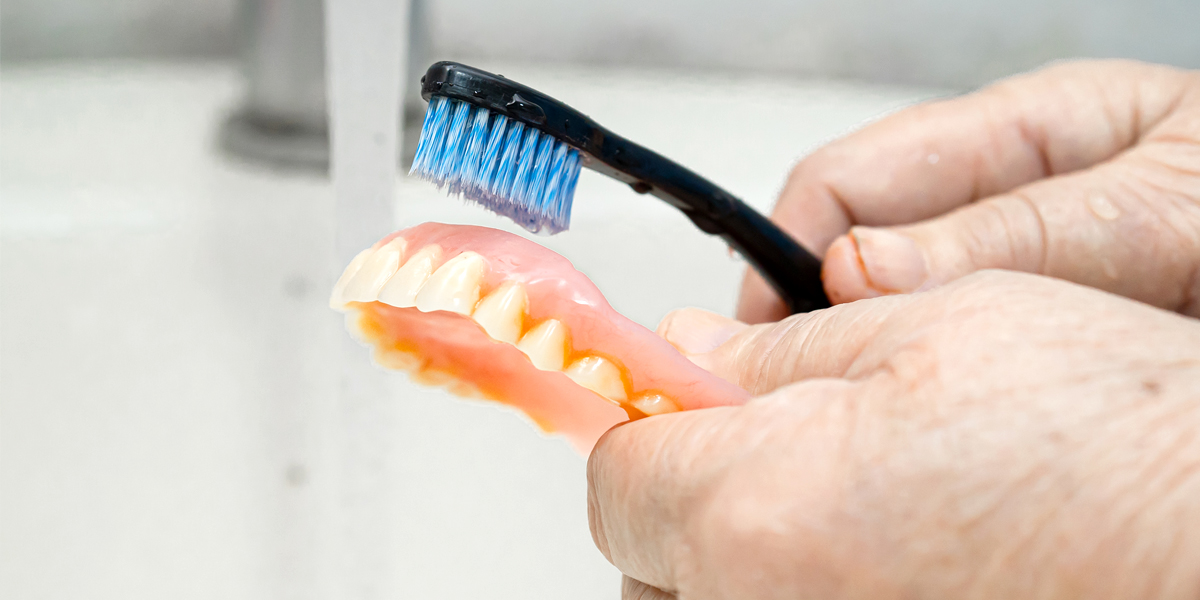
    The simplest is, as a first step, to remove visible dirt by cleaning them with a medium hard toothbrush and neutral soap or dishwashing detergent.

    To do this, we recommend not brushing the denture support surface that is in contact with the gums, but to clean it with the fingers under the tap. After thorough rinsing, the denture should be sanitised with antibacterial tablets for the specified time.

    It is advisable to do the cleaning in the sink with a little water at the bottom or with a soft cloth, to prevent the denture from accidentally falling out and breaking. And, at least once a day, we recommend using a soft toothbrush or gauze with a little mouthwash to gently scrub the gums where the denture rests.

    This procedure removes dead cells and microorganisms that may have formed under the denture, while stimulating the nutrition and preservation of the soft tissues.

    How prostheses are stored when not in use is also important. The simplest way is to store them wrapped in a damp tissue paper in an empty box with a lid.

    Contrary to common belief, they should not be left in a glass of water, as this encourages the growth of invisible micro-organisms in the resin.

    It is important to rest from wearing dentures for a few hours every day. This reduces the risk of inflammation called stomatitis, which can cause discomfort.

    At Lura Care we advise our patients not to wear the prosthesis for 8 out of 24 hours, for example to rest during the night, in order to preserve optimal oral health.

    This rest period allows the tissues of the mouth to rest from the pressure of the prosthesis, and protects the mouth from the possible action of micro-organisms that can form under the denture where there is little oxygen.

    If these simple instructions on how to clean and maintain dentures are followed, users will be able to adapt optimally to their new dentures and will be able to prolong their life as much as possible. And with this, they can enjoy good oral health that will make a significant contribution to their general health, well-being and quality of life.

  • Nutrition as an ally to our oral health

    Nutrition as an ally to our oral health

    Nutrition plays a key role in people’s lives. In addition to being a source of energy and its importance for the correct general functioning of the body, healthy and balanced nutrition contributes considerably to the protection of our oral health.

    Traditionally, the health of our teeth and gums is associated with good hygiene habits and sufficient fluoride intake. But these aspects are sometimes difficult to maintain in children and older people.

    For this reason, in both age groups it is essential to develop appropriate dietary habits that help us to maintain a healthy mouth, avoiding the appearance of tooth decay and periodontitis or gum disease, among other conditions.

    Eating nutritious foods makes the tissues of the mouth more resistant to infection, so we avoid one of the main threats to teeth and gums. The basis of the diet should be the proteins found in foods such as meat, fish and eggs, the vitamins we can get from fresh fruit and vegetables, and the minerals found in dairy products such as milk, cheese and yoghurt.

    Crunchy fruits and vegetables, such as apples or carrots, deserve special mention, as they provide us with a double benefit. As well as being rich in vitamins and minerals, they help to clean our teeth and stimulate the production of saliva, which helps to neutralise acids in the mouth.

    However, as we grow older, there are a series of changes in our mouth and teeth that we must take into account in order to adopt the necessary measures to preserve good oral health.

    One of these common changes associated with age is xerostomia or a decrease in salivary secretions. This alteration leads to a reduction in the protective effects of saliva in the oral cavity, which increases the probability of suffering tooth decay or other alterations such as dysphagia.

    In addition, the presence of simultaneous pathologies that require multiple medication is very common in the elderly. Medications such as antidepressants, anxiolytics, antipsychotics or diuretics, as well as those aimed at controlling hypertension or preventing bronchodilation, often have, as a side effect, a decrease in saliva production.

    For this reason, adequate hydration, together with a healthy and balanced diet, are essential to preserve oral health. Conversely, insufficient fluid intake and an inadequate diet can affect the functional capacity of the mouth and favour the development of various oral diseases.

    We must also bear in mind that edentulism or tooth loss and denture replacements, whether total or partial, can cause problems in the functionality of the mouth when chewing, biting or swallowing food, which can have a direct impact on the person’s diet and nutritional status.

    In this sense, at Lura Care we recommend following a series of tips for a good adaptation to the prosthesis. In addition to the specific measures for the adaptation of dentures in the mouth, aimed at a good fit and the reduction of possible discomfort, we must remember the role played by diet.

    Our recommendation is to follow a series of dietary phases during the denture adaptation process, starting with a light diet of liquid and semi-liquid foods after insertion, and gradually incorporating other foods until a normal and complete diet can be resumed after a few days.

    As we have seen, the role of nutrition is essential for oral health, especially in the case of the elderly and the influence with other pathologies. A balanced diet, together with appropriate regular hygiene habits and regular dental check-ups, will be our best allies in maintaining the optimal health of our mouth and teeth.

  • How does diabetes affect our oral health?

    How does diabetes affect our oral health?

    Diabetes Mellitus is a chronic disease, which is a major public health problem due to it being so common. According to the IDF Diabetes Atlas , published by the International Diabetes Federation, 10.5% of adults aged 20-79 years are living with diabetes, which is 537 million people. This is projected to rise to 643 million by 2030 and to 783 million by 2045.

    While type 1 is genetic in origin, type 2 diabetes is influenced by lifestyle and aging, with older people being more at risk. Complications from diabetes can lead to multiple conditions, including heart attacks, kidney failure, limb amputation, blindness, neurological problems and peripheral nerve damage.

    In addition, oral manifestations occur in more than 90% of diabetic patients. Scientific evidence indicates that diabetes severely damages oral tissues causing disorders such as periodontal disease, edentulism or tooth loss, xerostomia, tooth decay, Burning Mouth Syndrome (BMS), salivary gland disorders, delayed wound healing and scarring, lichen planus, geographic tongue and oral candidiasis.

    The relationship between periodontitis and diabetes is bidirectional. This implies that by treating gum disease we are directly improving the diabetic person’s glycaemia, and therefore the improvement of the symptoms derived from this disease.

    Unfortunately, most diabetics are unaware of the impact of gum disease on their oral health. Only a small percentage visit the dentist regularly for check-ups, especially if they are elderly people living in nursing homes and have reduced mobility.

    One of the key issues to be aware of, is the delayed healing of oral lesions and scarring in diabetic patients. This is due to, among other factors, reduced cellular response and angiogenesis, inadequate production of growth factors and insufficient blood supply.

    Many of these factors are altered in patients with uncontrolled diabetes, which affects dental procedures that require healing. However, patients with controlled diabetes due to hypoglycaemic medication do not usually have an increased risk of delayed healing after tooth extraction.

    For all these reasons, the dental management of diabetic patients requires special attention in the treatment plan and how it is carried out, especially post-treatment when surgery has been performed. This is because patients often have complications in the healing of oral wounds, which can lead to ulceration or even systemic infections.

    We must also keep in mind that diabetes is associated with poor bone regeneration, which increases the risk of fracture and osteoporosis. For this reason, in the care of these patients it is essential to cooperate proactively with their referring physician to ensure long-term periodontal and implant treatment.

    In relation to treatments, it is interesting to mention that there is evidence that 0.8% hyaluronic acid applied to the socket after extraction improved wound healing in patients with uncontrolled diabetes, especially in the first few days after the procedure.

    In the care of these patients, at Lura Care we recommend antibiotic prophylaxis before invasive dental procedures in patients with type 1 diabetes, and monitoring blood glucose levels of no more than 170mg/dl to minimise the risk of complications.

    We cannot forget that prevention is the most important thing. Lifestyle changes such as blood glucose control, self-care practices and regular check-ups with an emphasis on periodontal treatment, can effectively prevent oral complications from this illness.

    It is important to remember the reinforcement of oral care and hygiene instructions, as well as ultrasound prophylaxis and curettage, which have been shown to be effective in improving glycaemic control among diabetic patients.

    In conclusion, it is very important that our seniors with diabetes have a regular check-up with a dentist. And it would be optimal if this professional is part of a multidisciplinary team, working in a coordinated way to help diabetics improve both their general health and their oral health.